Napa

Napa is the working city of the wine country, with 80,000 people, a downtown that has come fully back to life over the last fifteen years, and the river running through the middle of it. Vineyards start at the north edge of town, and the whole valley, Yountville through Calistoga, is a half-hour drive. Its buyers come from the valley itself, from the East Bay, and from the city.

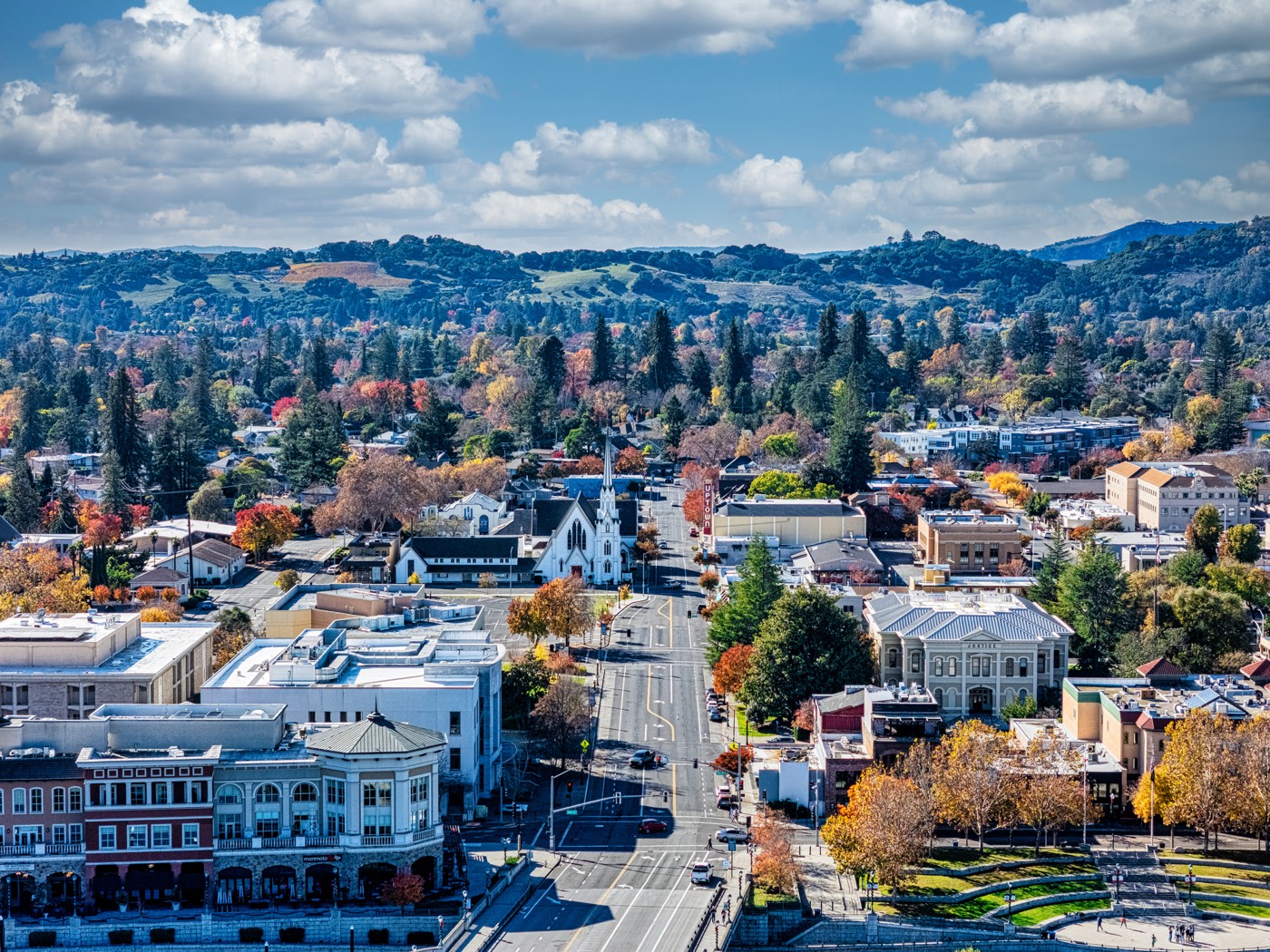
Downtown Napa from above, with the Uptown Theatre, the Napa River, and the hills beyond

The Napa market

$830K
Median sale price
54
Median days on market
99%
Sale to list price
$534
Per square foot

Three months ending September 2026, Redfin, City of Napa, all home types. Single-family homes alone run about $870K and condos about $675K. Yountville, St. Helena, and Calistoga are separate, higher-priced markets. Figures shift month to month and vary by neighborhood. Ask me for the current read on yours.

Life in Napa

Downtown is the draw. The Oxbow Public Market anchors the east end, with Hog Island oysters, Model Bakery, and Ritual coffee under one roof; First Street has the shops and restaurants; and the Riverfront runs along the water between them. The Uptown Theatre and Blue Note bring touring acts most weeks, and BottleRock takes over the fairgrounds every Memorial Day weekend. Weekdays feel like a small city. Weekends bring the visitors, mostly to downtown and up the valley.

Browns Valley, on the west side, is the family neighborhood, with larger lots, mature trees, and the Westwood Hills trails at the end of the street. Alta Heights climbs the hills east of downtown with views across the valley. Old Town, around Fuller Park, has the Victorians and the walk to dinner. Silverado, on the east side, is built around the resort and its two golf courses. Coombsville, unincorporated and farther east, is where the acreage and the estate vineyards are. North Napa is the most varied, from 1960s ranch homes to new construction near Trancas.

Up the valley are Yountville, St. Helena, and Calistoga, each its own small town and its own market. Plenty of Napa residents work in those towns or in the wine business, and plenty commute to Vallejo, Fairfield, or the East Bay. The Vine Trail will eventually connect Vallejo to Calistoga by bike; the Napa-to-Yountville stretch is already open and busy on Saturday mornings.
Schools

Napa is in the Napa Valley Unified School District, which Niche grades a B. Two comprehensive high schools serve the city, Vintage (B+) on the north side and Napa High (B) near downtown, along with New Technology High, a small project-based school with its own admissions. Private options include Justin-Siena, the Catholic high school, and Kolbe Academy and Blue Oak School for younger grades. Elementary assignments follow the neighborhood; I'll confirm the path for any address.

Getting around

Napa is the easiest of the wine towns to reach from the East Bay. Walnut Creek is about 55 minutes via I-80 and Highway 29, Oakland about an hour, and Sacramento about an hour to the northeast. San Francisco is an hour and fifteen minutes by either bridge. There's no BART; the nearest station is El Cerrito del Norte, about 45 minutes, and the Vine bus connects to it and to the Vallejo ferry. Oakland, SFO, and Sacramento airports are each a little over an hour.

Outside

  • Skyline Wilderness Park850 acres on the south edge of the city with hiking, mountain biking, and the Lake Marie trail.
  • Alston ParkThe dog park with a view. Off-leash trails on the hill above Browns Valley.
  • Westwood Hills ParkOak woodland trails ten minutes from downtown, and the short hike everyone does.
  • Napa Valley Vine TrailPaved and flat from Kennedy Park through downtown to Yountville, 12 miles each way.
  • Lake Berryessa45 minutes northeast. Boating and swimming in summer.

Eating and shopping

  • Oxbow Public MarketHog Island, Gott's Roadside, Model Bakery, Ritual Coffee, and the Saturday farmers market outside.
  • First Street NapaShops, restaurants, and the rooftop at the Archer Hotel.
  • Torc, Oenotri, Angèle, La ToqueDowntown's long-running special-occasion restaurants.
  • Zuzu and Bounty HunterThe casual favorites. Tapas on Main Street, and barbecue with a serious wine list.
  • Trancas StreetEveryday shopping on the north side. Whole Foods and Trader Joe's are both here.

Selling in Napa

Who is buying in Napa right now?

A wide mix. Local families moving up, people who work in the wine business or at the hospital, East Bay buyers who want the valley at a price below Lafayette or Danville, and second-home buyers in Silverado and Coombsville. Your neighborhood largely decides which of these your home will draw, and that decides how it should be presented.

When should I list?

Spring and early fall are strongest. Harvest brings visitors but also distraction; the weeks after Labor Day and from March through May tend to see the most serious buyers. Each home has its own right week.

Do buyers expect the home to be updated?

In Browns Valley, Alta Heights, and Old Town, yes. Those buyers are comparing against finished homes and will pay for finished work. In North Napa and the older neighborhoods, a clean, well-presented home priced for its condition sells well as it is. You'll see both paths with the numbers attached.

How does fire insurance affect my sale?

Buyers will ask on day one, and their lenders will require coverage. Homes on the valley floor and in the city neighborhoods are generally straightforward. For hillside properties in Alta Heights, Coombsville, and along the Silverado Trail, having quotes ready before listing keeps the buyer pool wide and the escrow on schedule.

Thinking about selling in Napa?

Let's start with what your home is worth.